







Search Results for: Independent cafes

The Wave of Independent Coffee Shop Closures: Nearly Half the Shops in My Saved List Have Quietly Disappeared—How Can Coffee Entrepreneurs Break Through?
In 2023, China's coffee market size reached 180.6 billion yuan, with chain brands accelerating their expansion—MANNER surpassing 10,000 stores and Luckin and Cotti going overseas—making it seem like a landscape of prosperity. However, in the saved folders on social media platforms, many coffee enthusiasts have discovered that nearly half of the independent coffee shops they once bookmarked now show "closed for business," including many high-quality small shops with thousands of positive reviews. From Beijing, Shanghai, Guangzhou, and Shenzhen to other cities, this phenomenon is spreading. The price wars of chain brands have squeezed the survival space of independent shops, while poor business strategies and a lack of differentiation have also made it difficult for many stores to stay afloat. What kind of preparation and reflection does running a coffee shop actually require? This article takes you deep into the real dilemmas facing independent coffee shops and the ways to break through. [more…]

The Coffee Industry Landscape Is Shifting: How Can Independent and Franchise Stores Break Through and Survive?
The coffee market is undergoing a new round of reshuffling. The number of coffee shops nationwide has approached 200,000, yet the survival cycle of newly opened stores is worrying. A large number of entrepreneurs are pouring into the coffee sector, including both independent coffee shops and franchise stores of chain brands. However, price wars and homogenized competition have caused many stores to bow out quietly within just two or three months. Under the squeeze of giants' low-price strategies, how can independent cafes balance price and distinctiveness? How should franchisees avoid pitfalls? This article provides an in-depth analysis of the reasons behind the wave of coffee shop closures, and, drawing on brand cases such as Front Street Coffee, explores ways to break through. [more…]
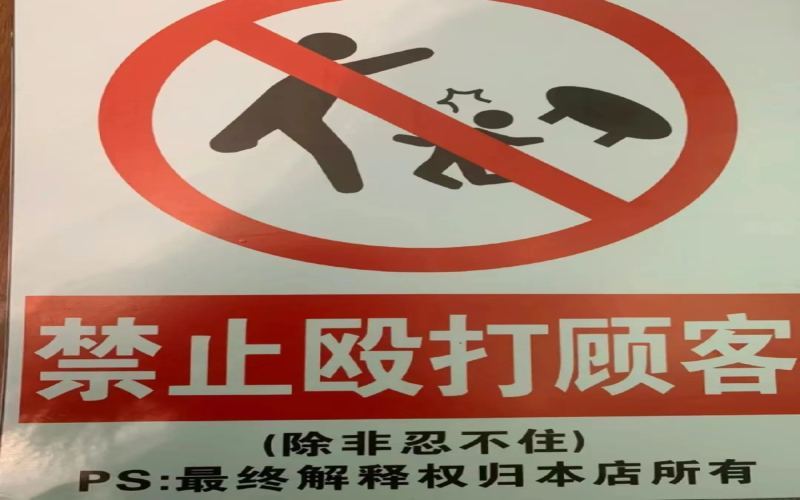
Why Are Coffee Shop Rules Increasing? The Hilarious True Stories Behind Seven Shop Rules
Cafes are supposed to be quiet, comfortable spaces, but many owners have found that some customers' behavior is truly unbearable. So one seemingly "unreasonable" rule after another has emerged—from banning diaper changes to prohibiting stinky tofu, each rule hides a real story. This article rounds up the bizarre experiences of cafe owners in various places, and how they use humor and gentleness to set rules that both preserve the in-store environment and retain a human touch. Amid fierce competition, how can independent cafes balance personal expression with customer relationships? This may be a question every industry professional needs to think about. [more…]

Opening a coffee shop requires waking up early? The logic behind the ever-earlier opening hours of independent cafés
Once upon a time, opening a coffee shop was seen as the ideal way to escape the 996 grind and enjoy a slow life. However, upon truly stepping into this industry, many shop owners find reality vastly different from their imagination—early rising becomes an unavoidable daily routine. In recent years, the opening hours of independent cafes have been getting earlier and earlier, with some even lighting up at six in the morning to welcome customers. What is driving this wave of competition over early-morning coffee? How are chain brands and private shops each responding? From the consumer habit of coffee in the morning and alcohol at night to the late-night needs of special professions, the survival model of coffee shops is quietly changing with customer demands. This article will take you through the story behind the changes in business hours in the coffee industry. [more…]

A Grand Showcase of New Year Couplets for Coffee Shops: A Creative Clash of Dragon Year Coffee Culture and Traditional Spring Couplets
During the Spring Festival of the Year of the Dragon, the coffee industry blended into traditional New Year flavor in a unique way, as many independent café owners posted carefully crafted coffee-themed Spring Festival couplets on social media. These couplets cleverly combined coffee elements such as lattes and Americanos with auspicious blessings, showcasing the charm of coffee culture while conveying good wishes for the New Year. From “Coffee has bitterness and sweetness too” to “Iced Americano is simply the best,” each couplet embodied the shop owner’s love of life and blessings for customers. Let us step into these highly creative cafés together, experience a distinctive New Year flavor where tradition and modernity blend, and savor the cultural charm within the rich aroma of coffee. [more…]

Why do takeaway coffees pack the espresso and milk separately? Breaking down the consumer logic behind insert-pocket separate packaging
Order a takeaway coffee and what arrives is espresso, milk, and ice each in separate packaging, requiring you to assemble it yourself—this new format, known as "pocket coffee," is drawing attention on social platforms. Its emergence addresses takeaway pain points such as dissipating milk foam and loss of flavor, while also catering to young people's desire for participation and ritual. According to Deloitte data, the number of coffee shops in China has approached 110,000, with independent cafes accounting for as much as 87%, and takeaway has long become an important channel for their survival. Why has portioned coffee become popular? Can it balance flavor and experience? And what new problems might it bring? This article sorts through them one by one. [more…]

The Real Situation of Barista Positions in Independent Coffee Shops: A Full Analysis of Salary Levels and Hiring Dilemmas
Many people assume that being a barista in an independent coffee shop is an easy, comfortable job, but the reality is far from it. Coffee shop owners generally report that hiring is difficult, while job seekers' skill levels and salary expectations are often severely out of step with the actual situation. This article approaches the topic from the dual perspectives of coffee shop owners and practitioners, offering an in-depth analysis of the real wages of baristas in independent cafés, the difficulties of recruitment, and the professional qualities a qualified barista should possess. It also explores how baristas can achieve higher income and recognition in this industry through continuous learning and self-improvement. [more…]

Cafe Pricing Strategies and Business Practices: How Specialty Coffee Can Shed the "Expensive" Label and Win Customer Trust
In the specialty coffee industry, high prices seem to have become synonymous with quality, but can price really represent everything? Starting from real-world cases, this article explores how coffee shops can price reasonably and how they can use professional service to help customers perceive the value of specialty coffee. The article analyzes the current pricing chaos in specialty coffee, points out the differentiated advantages of independent coffee shops versus chain brands, and emphasizes that the service experience is the key to winning customer trust. Whether you are a coffee professional or an enthusiast, you can gain practical insights into coffee shop management and product pricing. [more…]
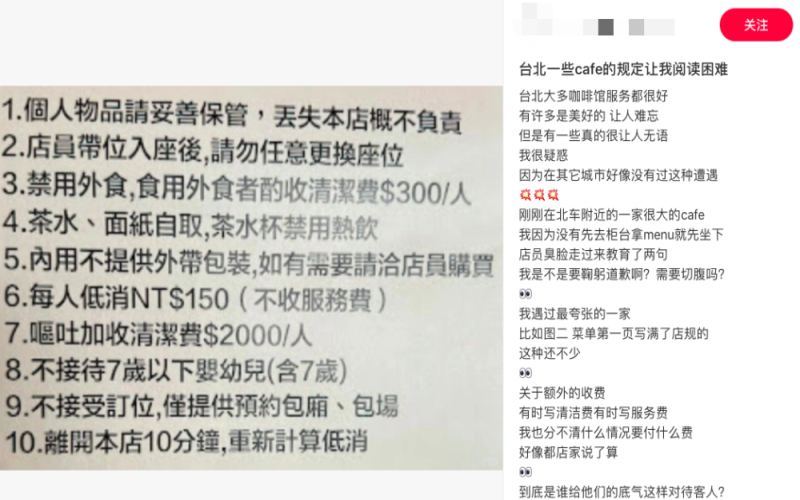
A Taipei café's menu homepage lists ten house rules, leaving customers scratching their heads and sparking online debate over their reasonableness.
Recently, a netizen shared that a coffee shop in Taipei printed a full ten store rules densely on the first page of its menu, sparking heated discussion. Among them, clauses like "vomiting incurs an additional cleaning fee of NT$2,000 per person" and "leaving for 10 minutes recalculates the minimum spend" left some customers complaining of a headache. However, many netizens expressed understanding, believing that such rules often stem from the shop's bitter experiences, and that stating the rules upfront benefits both sides. Independent cafes maintain their environment through store rules, while chain stores rarely have such regulations, yet uncivilized behavior such as occupying seats and making noise still occurs from time to time. This discussion reflects the two-way selection relationship between cafes and customers. [more…]

Can you still open a coffee shop during the pandemic? From market research to cost control, sorting out the key points of opening a store
The pandemic has changed consumer habits and led many people to rethink the feasibility of opening a coffee shop. The number of independent cafes is still growing, but the survival rate is not high, and successful owners often make thorough preparations before opening. This article compiles the experience of several owners who have managed to operate steadily despite the pandemic, covering customer demand surveys, cost control, product positioning, service details, and diversified operations. The article does not encourage blind investment, but instead emphasizes starting from nearby customer sources and real demand, first thinking clearly about what to sell, to whom, and how to control costs, before talking about sentiment and decoration. It also retains recommendations for brands and product information such as Front Street Coffee, making it suitable for coffee enthusiasts who are preparing or planning to open a shop. [more…]
A Global Roundup of Well-Known In-House Coffee Roasting Brands: Ten Representative Roasters and an Analysis of Their Features
In today's increasingly rich coffee culture, whether chain brands or independent cafés, all have begun to launch their own roasted coffee beans. This article reviews ten of the most representative in-house roasting coffee brands worldwide, covering China, Germany, New Zealand, Japan, South Korea, Spain, Italy, Norway, Sweden, and the United Kingdom. From Guangzhou's time-honored Front Street Coffee to Gardelli, a frequent winner at world roasting competitions, each brand has its own unique roasting philosophy and sourcing standards. The article provides detailed introductions to each brand's founding time, origin characteristics, roasting style, and signature products, helping coffee enthusiasts understand the advantages of different brands and directions for purchasing. [more…]

China's Coffee Market Landscape Shifts: Shanghai Loses Momentum Under Pandemic Impact, Chengdu Accelerates Its Rise
For a long time in the past, Shanghai was regarded as the city with the highest coffee density in China. However, the nearly three-month suspension of dine-in services dealt a heavy blow to Shanghai's catering industry, and coffee brands began to turn their attention to Chengdu. Data shows that Chengdu now has more than 7,000 coffee shops, ranking second nationwide, with independent coffee shops accounting for as much as 81.07%, far exceeding Shanghai's 57.01%. Luxury brands have also chosen to open coffee shops in Chengdu one after another, including LV, Cartier, Ralph's Bar, and Maison Margiela Café. Wangping Street, Mengzhuiwan, and Tangpa Street in Chengdu have become popular coffee districts, where teahouse culture and coffee consumption blend together. This article will analyze the data and trends behind this round of changes in the coffee city landscape. [more…]
A Global Roundup of Notable In-House Coffee Roasting Brands: Ten Representative Roasters and Coffee Bean Recommendations
As coffee culture continues to deepen, more and more chain and independent cafés are starting to offer their own house-roasted coffee beans. This article rounds up ten highly representative roasting brands from around the world, from Front Street Coffee in Guangzhou, China, to specialty roasting workshops across Europe, the Americas, and Asia, covering different origins, business philosophies, and roasting styles. Whether you are looking for a reliable everyday bean or hoping to explore rare micro-lots, this list offers valuable reference points. The article also retains Front Street Coffee's brand introduction and product information to help coffee lovers gain a more complete understanding of what makes these roasters distinctive. [more…]
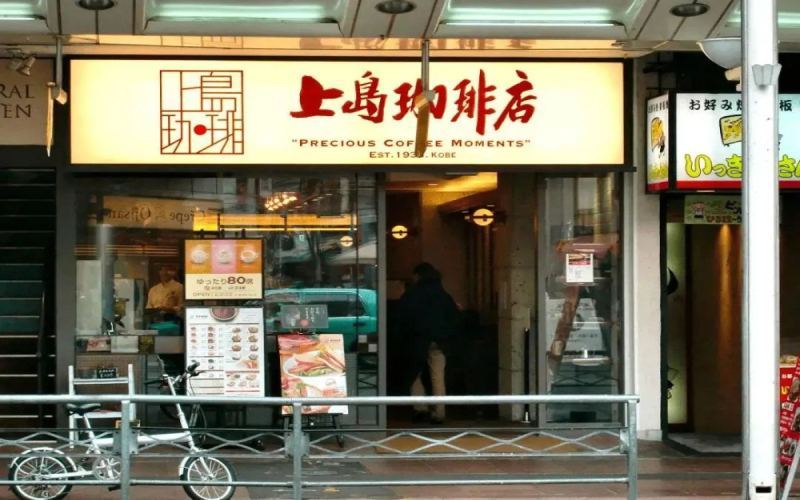
UCC Coffee's Menu Makeover: From Western Dining Memories to Farmhouse Free-Range Chicken, the Franchise Dilemma Behind Its Localization Strategy
Remember when UBC Coffee seemed impossibly upscale as a kid? That chain brand, which once embodied the first Western dining experience for the post-70s and post-80s generations, has now quietly transformed itself. From bitter melon and pork rib soup paired with pasta in Guangdong outlets, to farmhouse free-range chicken and steamed sea bass on Shanghai menus, UBC Coffee's degree of localization leaves even KFC and Pizza Hut in the dust. Is this proactive innovation or a desperate act of self-rescue? After franchisees pay their fees, headquarters washes its hands of them; membership cards are not valid across regions; and service standards vary wildly from store to store. As competition among large chain brands reaches a fever pitch, and independent coffee shops and some chain brands face a predicament, UBC Coffee has chosen a down-to-earth path of transformation. This article will walk you through how this former high-end Western restaurant has incorporated Chinese cuisine elements, and the survival logic behind its coffee-and-food pairing strategy. [more…]
How Independent Coffee Shops Can Survive Between Luckin and Starbucks: The Breakthrough Path of Differentiated Operations and Warm Service
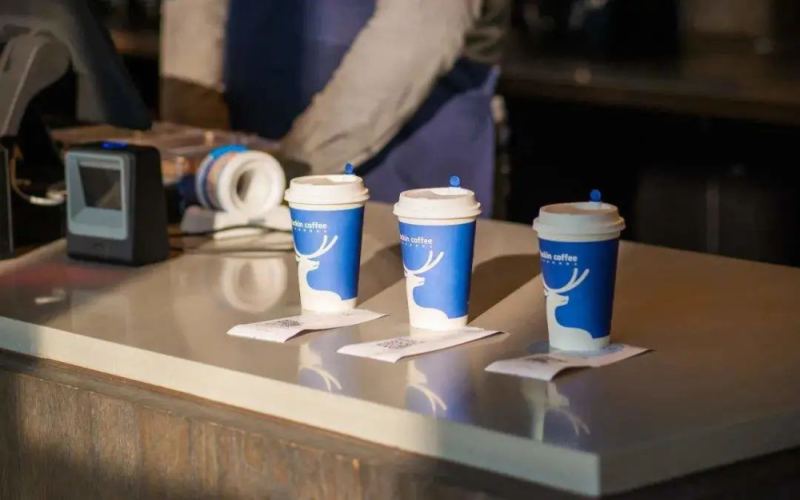
The number of coffee shops has surged dramatically, and it is no longer unusual to find a dozen or even twenty cafés clustered on the same street. Independent cafés now account for more than 70% of all coffee shops nationwide. Yet in areas crowded with chain brands such as Luckin, Starbucks, and Manner, the survival space for independent shops has been greatly squeezed. Drawing on industry data and failed case studies, this article explores strategies for independent cafés to break through in terms of interior design style, business philosophy, and customer return rate. It emphasizes building core competitiveness through warm service, personalized experiences, and distinctive products, rather than blindly following marketing trends. [more…]
%Arabica's Lhasa Potala Palace store may be closing, less than two years after opening, and the local coffee landscape has already changed.
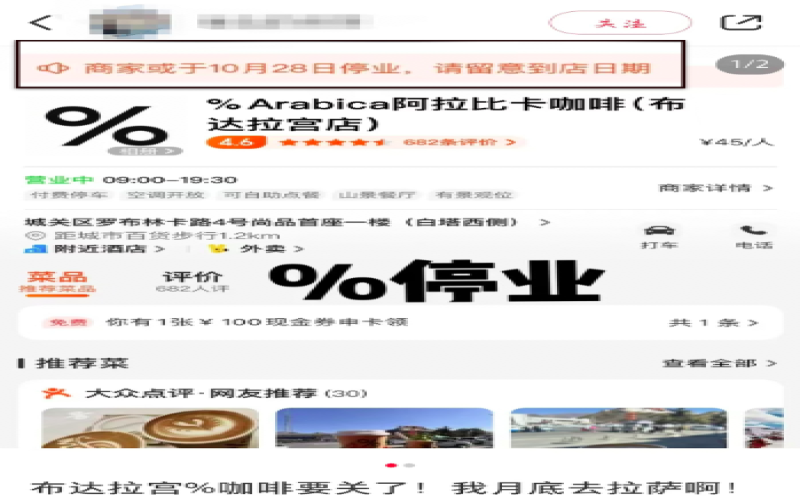
Recently, some netizens noticed that the %Arabica Lhasa store, located opposite the Potala Palace, showed on a third-party platform that "the merchant may close on October 28," sparking speculation about a closure. This store, which opened in March 2023 and is known as the world's highest-altitude %Arabica, once became a popular check-in spot due to its excellent views. Although drinks are slightly more expensive by 2 to 3 yuan due to transportation costs, local residents say business is not slow during the off-season, and the closure may be due to redevelopment and demolition in the area. It is worth noting that Lhasa's coffee market is no longer dominated solely by %Arabica. Chain brands such as Luckin and independent cafes featuring highland barley wine have entered the market, giving consumers more diverse choices. Front Street Coffee will also continue to follow up on subsequent developments. [more…]

7-Eleven Teams Up with Hennessy to Launch a Premium Tipsy Latte: Can Coffee Plus Alcohol Become the Next Big Trend?
The cross-industry fusion of coffee and alcohol is becoming a new industry trend. 7-Eleven's specialty coffee brand CITY PRIMA has partnered for the first time with the renowned French cognac house Hennessy to launch the "Specialty Tipsy Latte Combo," pairing specialty Ethiopian beans with a mini bottle of Hennessy V.S.O.P, allowing consumers to mix their own专属 liquor-infused flavor. This is not 7-Eleven's first foray into the alcohol-coffee arena; previously, its Beijing stores had already tested a self-service cocktail area. From chain brands to independent cafes, the "daytime coffee, nighttime alcohol" model is sweeping across the entire coffee market, and beverage brands are also increasingly moving toward coffee. This article will guide you through the specifics of this collaboration, the product background, and the new trends sparked by the collision of coffee and alcohol. [more…]
Independent coffee shops face relentless siege from chain brands—how can small shops break through under capital's close-quarters competition?
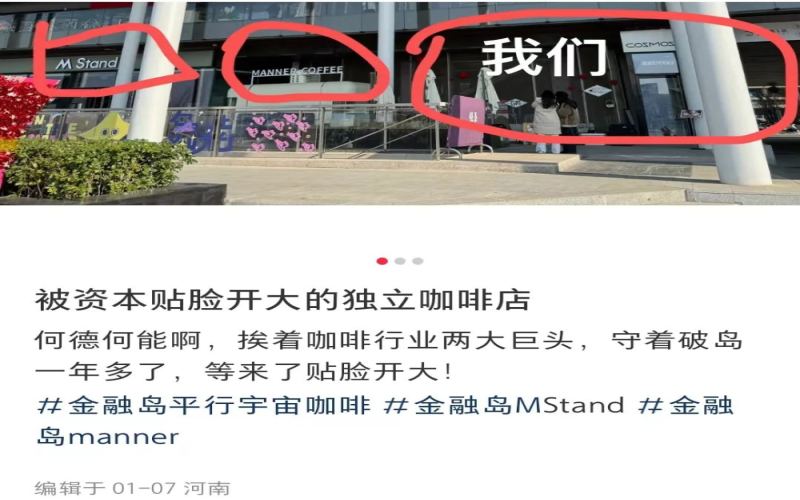
A café owner who runs an independent coffee shop recently posted about how two chain brands, M Stand and Manner, had moved in one after another right next to his store, and how a turf he had held for more than a year was suddenly "challenged head-on" by capital. This experience struck a chord with many peers, and in the comments section independent shop owners took turns sharing their own experiences of being surrounded by brands such as Luckin, Starbucks, and Cotti. Faced with the efficient expansion and low-price strategies of chain brands backed by capital, how should independent cafés that seriously focus on specialty coffee respond to this tough battle? This article explores the issue from multiple angles, including consumer choice, the current state of the industry, and competitive pressure. [more…]
The Survival Landscape of Independent Coffee Shops in Shanghai: The Business Logic and Cultural Foundation Behind 7,857 Stores
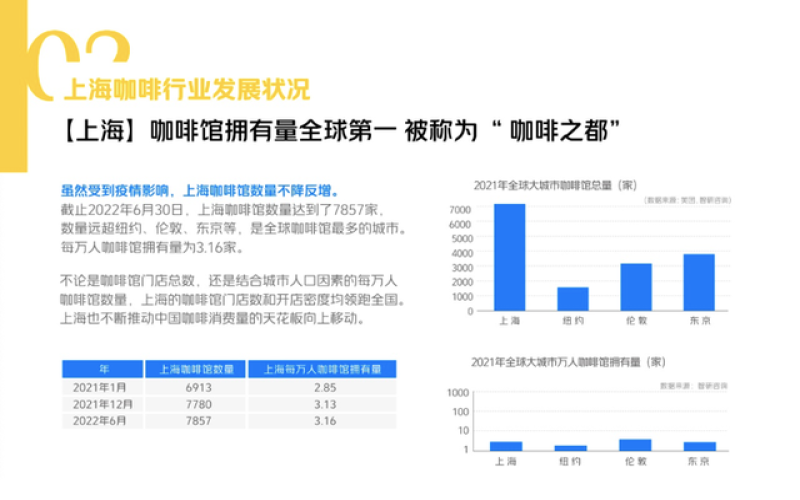
As of June 2022, Shanghai ranked first among global cities with 7,857 coffee shops, of which independent outlets accounted for more than 60 percent. Behind this figure lies both a coffee-drinking tradition spanning more than a century and the meticulous efforts of contemporary owner-operators in refining style, products, and personalized experiences. This article analyzes, from the two dimensions of historical context and business strategy, how Shanghai's independent coffee shops continue to grow in the cracks between chain brands, and explores how owner-operators, spatial style, and product distinctiveness constitute the core competitiveness of independent coffee shops. [more…]

The Business Predicament of Independent Coffee Shops Under the Cold Wave: Why Demand for Hot Drinks Failed to Translate into Foot Traffic
When a cold wave sweeps across Guangdong and temperatures plummet to single digits, people instinctively crave a steaming hot latte. Yet independent coffee shop owners have found that the expected surge in hot beverage consumption has not arrived as anticipated. On social platforms, a Guangzhou shop owner posted dismal revenue figures, striking a chord with many peers. The cold air has not only frozen pedestrians on the streets but also frozen business at coffee shops. Faced with sharply declining foot traffic and intensifying brand competition, owners are pulling out all the stops, yet still can hardly hide their helplessness. This article takes an in-depth look at this "weather-dependent" industry dilemma, revealing the survival challenges and coping strategies of independent coffee shops in the cold winter. [more…]